
What are nesting algorithms in manufacturing?
The nesting technology behind material optimization in cutting industries
In modern manufacturing industries, material optimization is a critical factor for profitability and sustainability. Whether cutting sheet metal, wood panels, plastics, glass or composite materials, manufacturers must arrange parts on raw material sheets in the most efficient way possible before cutting.
This process is called nesting.
A nesting algorithm is the technology used in cad/cam software that automatically determines how parts should be placed on a sheet of material to minimize waste, maximize productivity and respect manufacturing constraints.
These algorithms are embedded in CAD/CAM software, cutting machine software and digital manufacturing platforms to automate the preparation of production jobs.
At the core of many advanced cutting solutions is a specialized nesting engine such as the Almacam Nesting Component, an industrial nesting technology developed from more than 45 years of research and real production experience in cutting optimization.
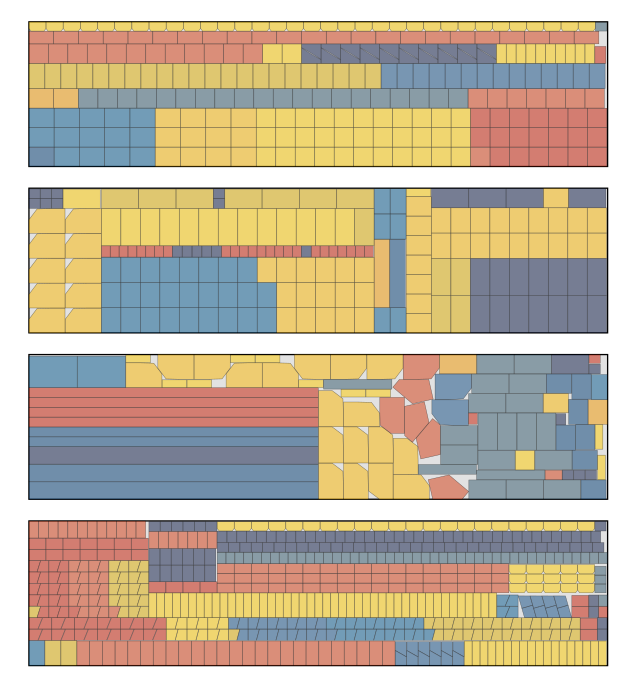
What is nesting in manufacturing?
Nesting is the process of optimally arranging multiple parts within a limited material area before cutting.
The objective is simple in theory:
Place as many parts as possible on a sheet while minimizing unused material.
In practice, nesting is a complex computational optimization problem involving geometry analysis, manufacturing constraints and production efficiency considerations.
A nesting software system must automatically:
• analyze part geometries
• determine possible orientations
• position parts efficiently
• manage spacing and cutting constraints
• generate production-ready layouts
The result is called a nesting layout, which defines how the cutting machine will process the material sheet.
Why nesting algorithms are critical in industrial production ?
Even a very small improvement in nesting efficiency can have a major economic impact.
In many industries, raw material represents 40% to 80% of the total production cost.
Improving material utilization by only 0.5% or 1% can generate substantial savings for companies processing large volumes of material.
Benefits of advanced nesting algorithms include:
• Reduced raw material consumption
• Lower production costs
• Higher machine productivity
• Reduced waste and scrap
• Improved sustainability
Because of these factors, nesting optimization has become a key technology in modern digital manufacturing systems.
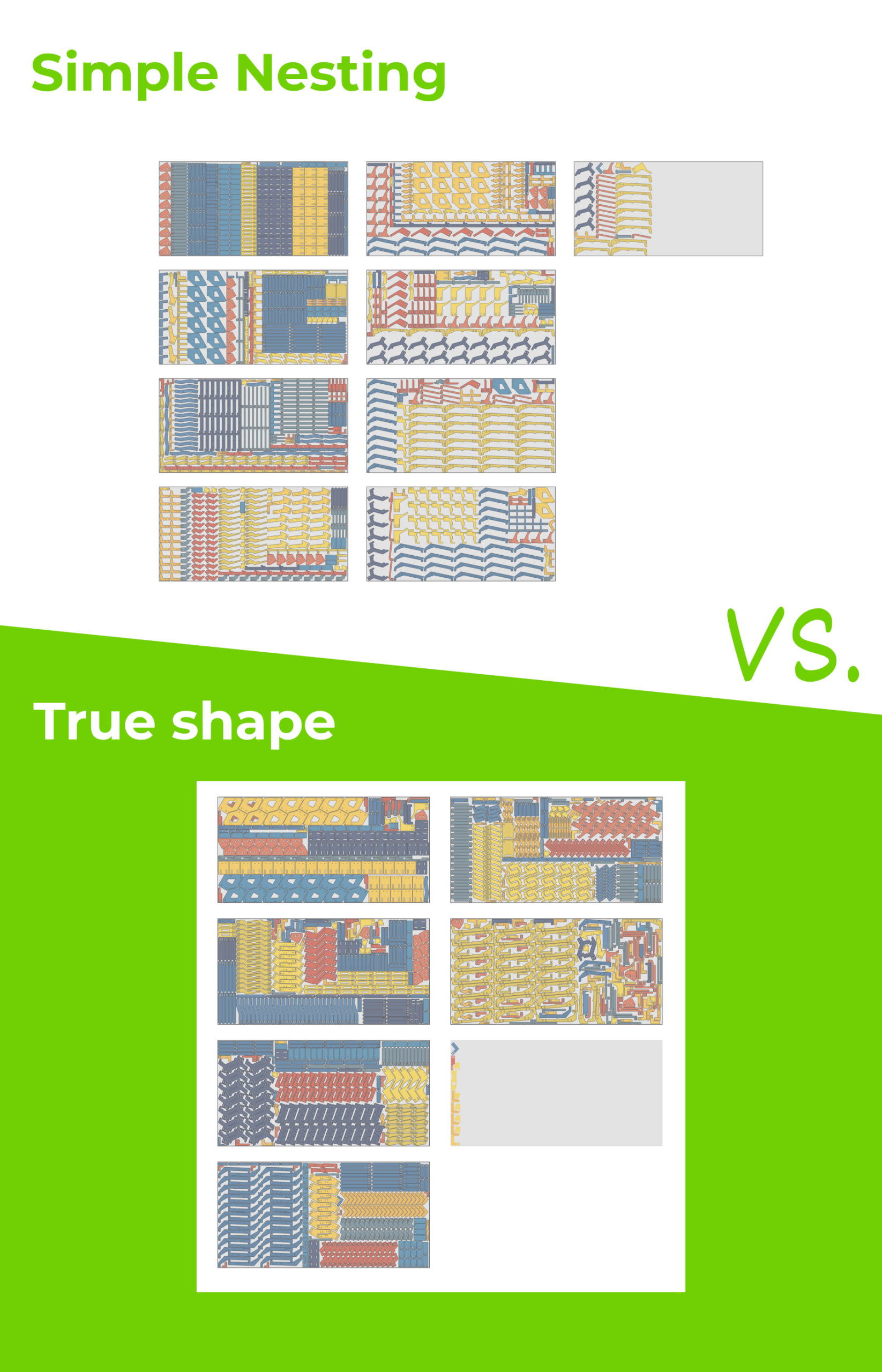
True-Shape Nesting vs Simple Nesting
Not all nesting algorithms are equal.
Some simple systems only use rectangular bounding boxes to place parts on material sheets. This approach is fast but inefficient because it ignores the real shape of the parts.
Advanced industrial systems use true-shape nesting.
True-shape nesting algorithms analyze the exact geometry of each part, allowing irregular shapes to fit together more tightly.
Advantages of true-shape nesting include:
• Higher material utilization
• Better placement of complex shapes
• Reduced scrap areas
• More efficient production
The Almacam Nesting Component uses advanced true-shape nesting algorithms designed for industrial cutting environments where precision and efficiency are essential.
Industrial constraints in nesting optimization
In real production environments, nesting cannot focus only on geometry. It must also consider many industrial constraints.
These constraints depend on the cutting technology and the production process.
Examples include:
Part orientation rules
Certain materials require parts to follow grain direction or structural orientation.
Minimum distance between parts
A safety spacing must be maintained to avoid collisions during cutting.
Common-line cutting
Adjacent parts may share cutting lines to reduce cutting time.
Machine constraints
Different machines impose different rules regarding cutting direction, lead-ins or part extraction.
Remnant management
Unused material areas from previous sheets may be reused for future jobs.
Handling all these constraints requires a robust and flexible nesting engine capable of generating layouts that are not only optimal but also ready for real production.

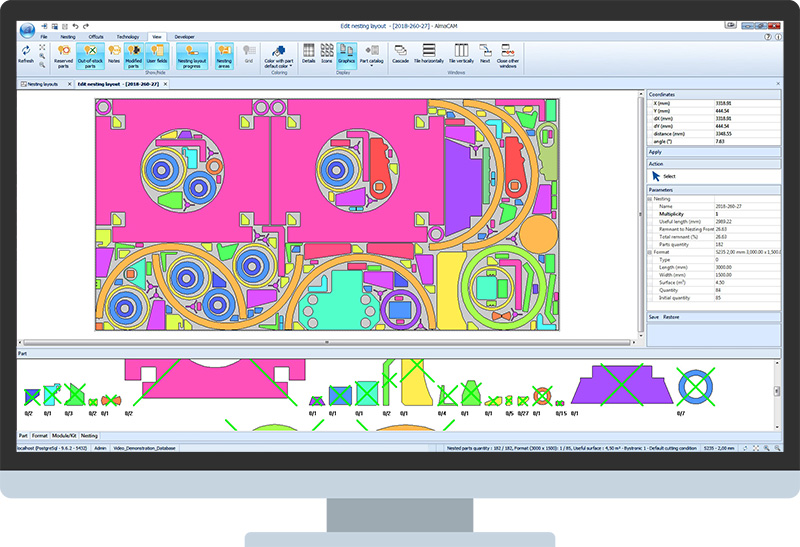
Nesting in CAD/CAM software
Most industrial nesting algorithms are embedded inside CAD/CAM software systems used to prepare cutting operations.
These systems process CAD files describing the parts to be manufactured and then automatically generate optimized nesting layouts.
Typical workflow:
1. Import CAD parts (DXF, DWG, STEP)
2. Extract part geometry
3. Define material sheet dimensions
4. Run the nesting algorithm
5. Generate optimized nesting layouts
6. Produce cutting programs for machines
To support software developers building such systems, specialized technologies like the Almacam Nesting Component provide ready-to-integrate nesting engines.
Nesting for different cutting technologies
Nesting algorithms are used in many industrial sectors where materials must be cut efficiently.
Common applications include:
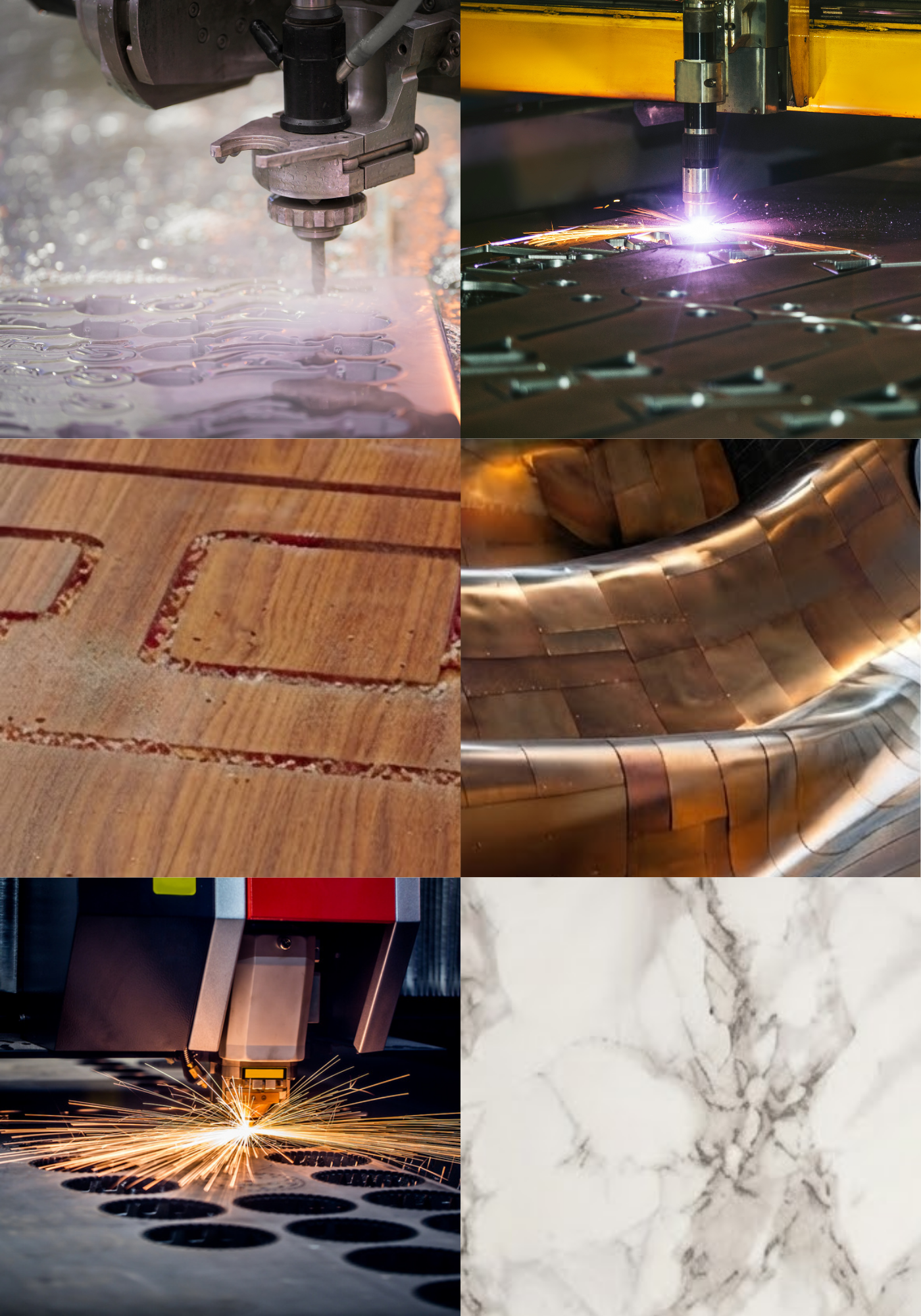
Sheet metal cutting
Laser, plasma and waterjet cutting machines rely heavily on nesting optimization to reduce material costs.
Wood and panel processing
Furniture manufacturing and woodworking industries use nesting to optimize board cutting.
Plastic and composite materials
Industries producing complex shapes benefit from true-shape nesting.
Glass cutting
Efficient layout planning reduces material waste in glass processing.
Because each industry introduces specific constraints, industrial nesting engines must be highly adaptable and configurable.

Nesting in modern digital manufacturing platforms
Nesting algorithms are no longer used only inside traditional CAM software.
Today they are also integrated into:
• online quotation platforms
• manufacturing automation software
• production planning systems
• cloud-based digital factories or appplication
In these environments, nesting algorithms help automatically estimate material usage and production costs.
For example, when a customer uploads a CAD file to a quotation platform, the system can use a nesting engine to calculate material requirements instantly, enabling fast and accurate quotes.
Almacam nesting component
Industrial nesting technology for software developers
The Almacam Nesting Component is a professional nesting engine designed to be embedded directly into industrial software applications.
Instead of developing complex nesting algorithms internally, software developers can integrate this technology into their own solutions.
The component provides:
• industrial-grade true-shape nesting algorithms
• robust performance for complex parts and large nestings
• configurable industrial constraints
• scalable performance for demanding applications
It is widely used by:
• CAD/CAM software publishers
• cutting machine manufacturers
• digital manufacturing platforms
• quotation automation systems
By integrating Almacam Nesting Component, developers can accelerate software development while delivering advanced cutting optimization capabilities.
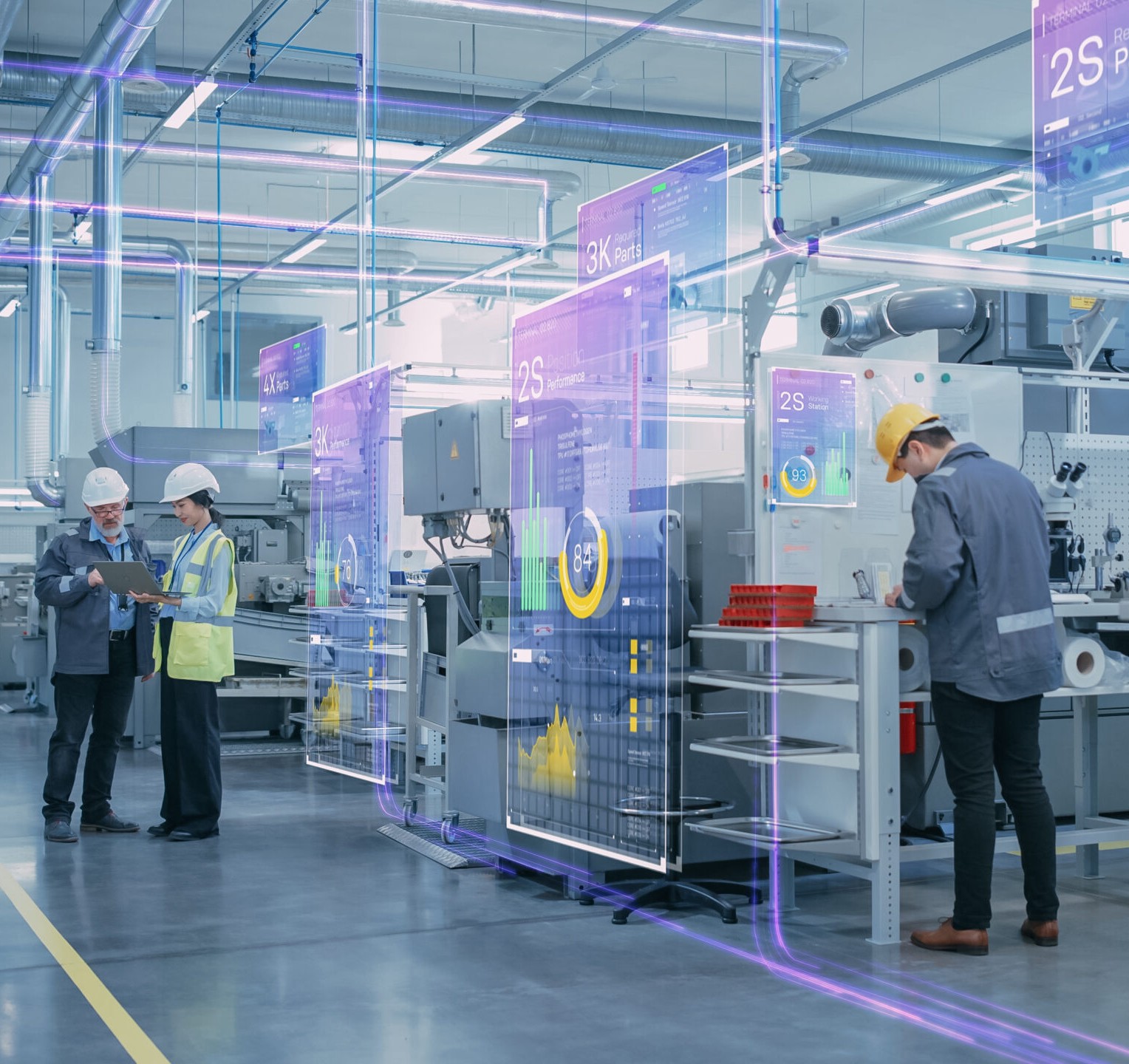
The future of nesting algorithms
As manufacturing becomes increasingly digital, nesting algorithms are evolving toward greater automation and intelligence.
Future developments include:
• AI-assisted nesting optimization
• cloud-based nesting computation
• integration with production planning systems
• real-time optimization based on factory data
These innovations will further improve material efficiency, machine productivity and manufacturing sustainability.
At the same time, the core challenge remains the same:
efficiently solving complex geometric optimization problems under industrial constraints.
Technologies like the Almacam Nesting Component continue to evolve to meet these challenges and support the next generation of digital manufacturing software.
At the end, nesting algorithms play a central role in modern manufacturing by optimizing how parts are arranged on material sheets before cutting.
For software developers, quotation platform ones and machine builders, integrating a proven nesting engine such as the Almacam Nesting Component provides immediate access to decades of expertise in industrial cutting optimization and CAD/CAM algorithm development.
Embed proven nesting and cutting intelligence into your machines
Differentiate your machines with industrial-grade software components.